
VICTORIOUS WOMAN
Welcome to Victorious Woman, a foundation by Amelia Kyala and Dulce Kyala, two experienced education consultants and personal trainers who are passionate about helping member of the Portuguese community in London reach their full potential. based in London that is committed to empowering and connecting women from all walks of life. Our mission is to provide a platform for women to come together, inspire, and support one another in their journey toward personal growth and empowerment.
Join Victorious Woman's Empowering Community!
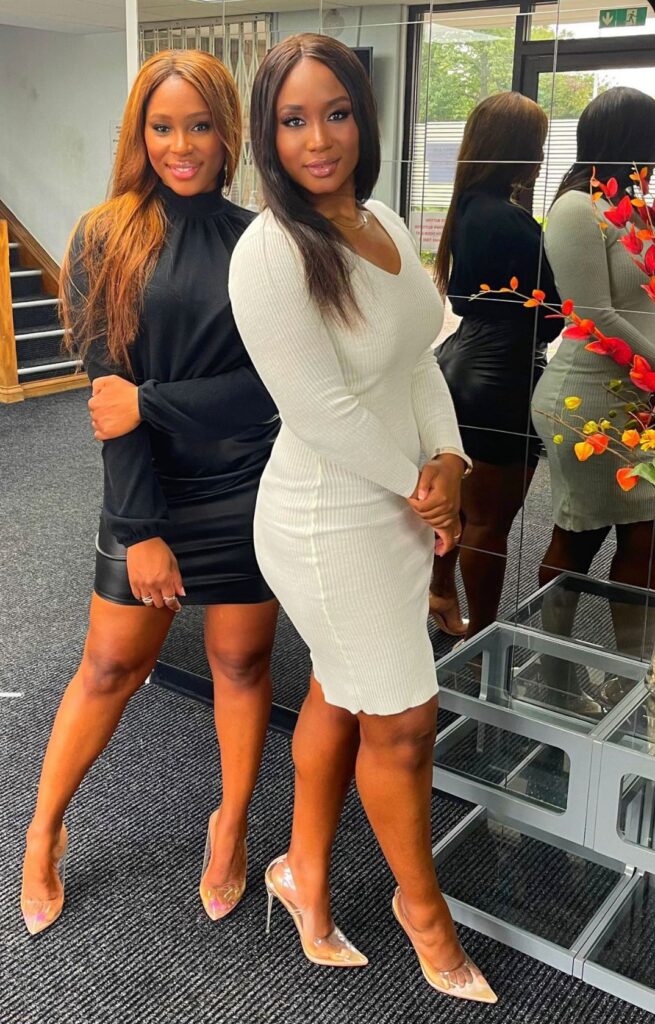
Welcome to Victorious Woman, a foundation by Amelia Kyala and Dulce Kyala, two experienced education consultants and personal trainers who are passionate about helping member of the Portuguese community in London reach their full potential. based in London that is committed to empowering and connecting women from all walks of life. Our mission is to provide a platform for women to come together, inspire, and support one another in their journey toward personal growth and empowerment.
At Victorious Woman, we believe that a woman’s true strength lies in her commitment to education, physical exercise, and spiritual growth. We encourage women to cultivate a strong sense of self-awareness and confidence in themselves,
so they can achieve their goals and reach their full potential.
Our community is a safe and inclusive space for women to connect, share their stories, and support one another. We believe that by building a strong community, we can create a robust network of women who can uplift and inspireone another.
As part of our commitment to women’s empowerment, we also organize events in different cities to raise funds for organizations that fight against woman trafficking
and domestic violence. By supporting these organizations, we hope to make a meaningful impact in the lives of women who have experienced abuse or violence.
We believe that every woman has the potential to be a Victorious Woman, and we are here to support and empower you on your journey. Whether you are looking to connect with other like-minded women, find inspiration and motivation, or support a cause that you care about, Victorious Woman is the perfect community for you.
"Join the Movement for Women's Empowerment: Together, We Can Create a Brighter Future!"
Join us today and become a part of a movement that is changing lives and making a difference in the world. Together, we can create a brighter, more empowered future for women everywhere.
- Education
Education is the key to personal and professional growth. That’s why we encourage women to commit to lifelong learning through reading and learning. Whether you’re interested in self-help, business, or personal development, our community is full of resources and support to help you achieve your educational goals. At our organisation, we believe in the power of education to transform lives. That’s why one of our three pillars is dedicated to helping individuals access higher education and develop their intellectual capabilities.
Our education pillar is focused on providing comprehensive support for those seeking to attend university in the UK. We offer guidance on the university application process, including assistance with filling out student finance applications and preparing for interviews. Our team is well-versed in the intricacies of the UK higher education system and can help applicants navigate the often complex and confusing application process.
But our commitment to education goes beyond simply helping individuals gain admission to university. We also encourage our community to engage in self-development and lifelong learning.
We believe that reading is one of the best ways to expand one’s mind and stay intellectually curious. That’s why we promote reading as a key component of our education pillar. Whether it’s through book clubs, recommended reading lists, or other initiatives, we strive to inspire our community to read more and explore new ideas.
Overall, our education pillar is designed to empower individuals to achieve their full potential and pursue their academic goals. We believe that education is one of the most powerful tools for creating positive change in the world, and we are committed to helping our community access the knowledge and resources they need to succeed.
- Fitness
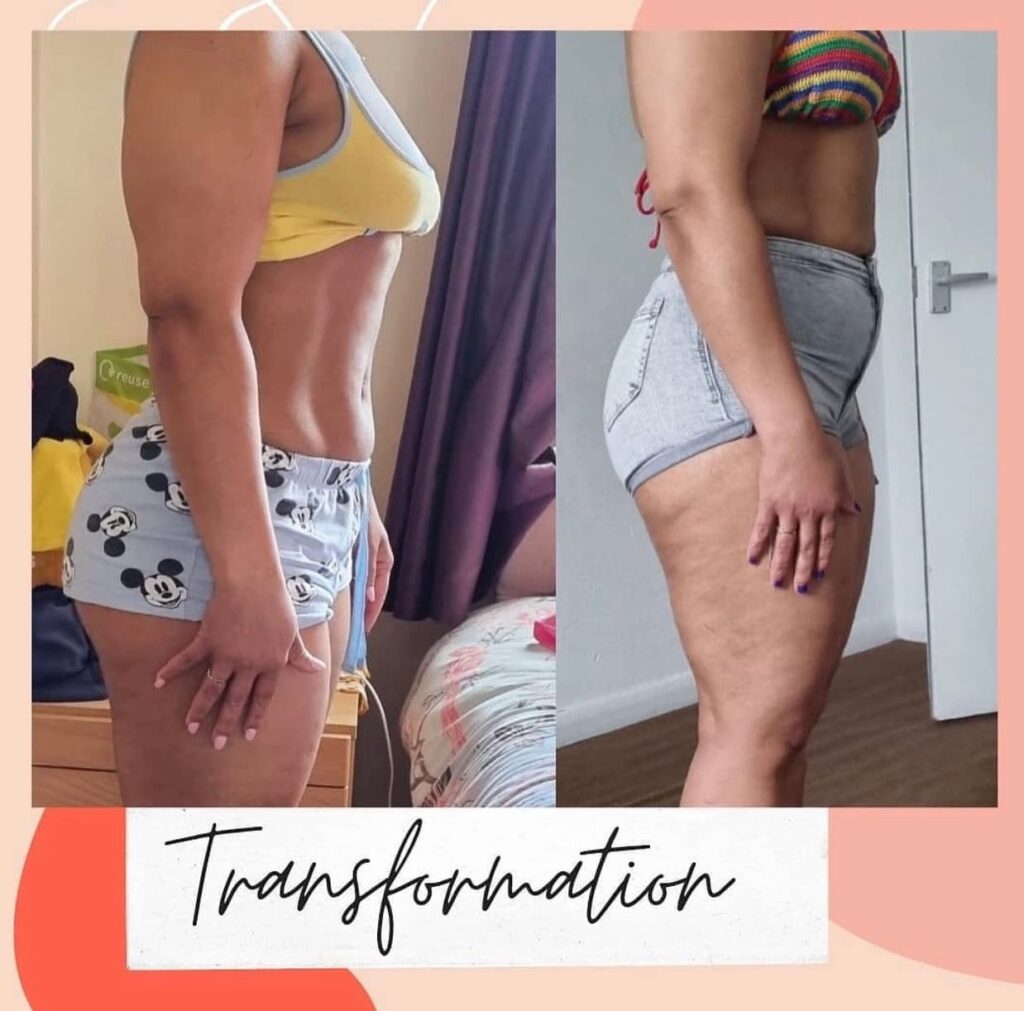
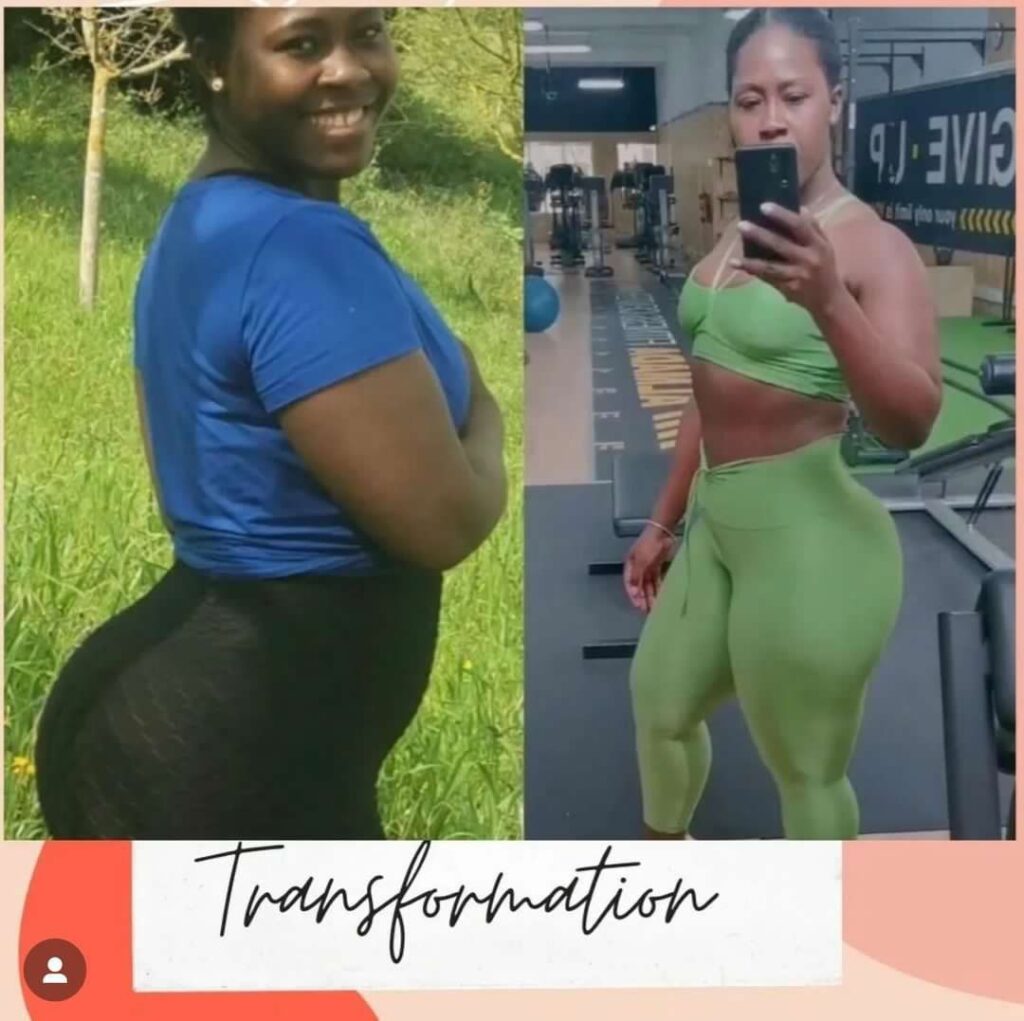
We know that physical health is just as important as mental health. That’s why we encourage our members to commit to a regular exercise routine.
Whether you prefer yoga, running, or weightlifting, we believe that physical exercise can help you feel strong and empowered in your body. At our organization, we believe that being physically fit is an essential component of a healthy and fulfilling life.
That’s why our second pillar is dedicated to fitness, with a focus on helping individuals achieve their fitness goals in a sustainable and enjoyable way. Leading our fitness pillar is Amelia, a certified level 2 and level 3 personal trainer who specializes in fat loss and helping women achieve fast results without spending hours at the gym.
Amelia’s approach to fitness is rooted in the belief that exercise should be fun, challenging, and tailored to each individual’s unique needs and abilities. To help our community achieve their fitness goals, Amelia offers a range of services, including one-to-one training at the gym, personalized meal plans, and customized training plans. She works closely with each client to understand their fitness goals, lifestyle, and preferences, and creates a plan that is both effective and enjoyable.
Whether you’re looking to lose weight, build muscle, or simply feel more energized and confident, Amelia is here to help. Her approach to fitness is all about empowering individuals to take control of their health and transform their bodies in a sustainable and enjoyable way. At our organization, we believe that fitness is not just about looking good, but feeling good too. That’s why we are committed to helping our community achieve their fitness goals in a way that is both effective and enjoyable.
With Amelia’s expertise and support, you can achieve the results you want while having fun and feeling great.
- Spiritual Strength\Victory Hour
We understand that spirituality can mean different things to different people.
That’s why we encourage our members to cultivate a spiritual practice that feels authentic and meaningful to them. Whether you’re religious, spiritual, or simply interested in exploring different belief systems, our community is a safe and inclusive space for you to connect with others who share your interests. At our organization, we believe that spiritual strength is just as important as physical and intellectual strength.
As Christians, we are committed to helping others strengthen their spirits and deepen their faith through the power of prayer. That’s why we have established an hour of prayer called Victory Hour, where we come together as a community to pray and support one another. Victory Hour takes place from Monday to Friday via Zoom at 8 PM London time, and is open to anyone who wants to join us in prayer. During Victory Hour, we pray for a range of issues, including personal needs, community needs, and global issues.
We believe that prayer is a powerful tool for bringing about positive change in the world, and we are committed to using this tool to make a difference.
As Christians, we also believe in the importance of personal prayer and reflection. That’s why we encourage our community to develop their own prayer practices and deepen their relationship with God. We believe that spiritual strength is essential for navigating life’s challenges and finding meaning and purpose in our daily lives. Overall, our spiritual strength pillar is designed to help individuals connect with their faith, deepen their spiritual practice, and find support and community through the power of prayer. Whether you are a lifelong Christian or simply curious about exploring your spirituality, we welcome you to join us in this journey of faith and growth.
https://us05web.zoom.us/j/81790777700?pwd=K1dUVFhrbnU4cHQ1N01jR2FQV1dUQ T09
- Events
As part of our commitment to women’s empowerment, we organize events in different cities to raise funds for organizations that fight against woman trafficking and domestic violence.
These events are a great way to connect with other members of our community, have fun, and support a cause that you care about. Stay tuned for updates on our upcoming events and how you can get involved.
Join Victorious Woman today and become a part of a community of women who are committed to personal growth, empowerment, and making a positive impact in the world. We can’t wait to welcome you to our community and support you on your journey toward becoming a Victorious Woman.
Join Victorious Woman today!!
Join Victorious Woman today and become a part of a community of women who are committed to personal growth, empowerment, and making a positive impact in the world.
We can’t wait to welcome you to our community and support you on your journey toward becoming a Victorious Woman.
Email Address
info@victorious-woman.com
Phone Number
+442081389218